

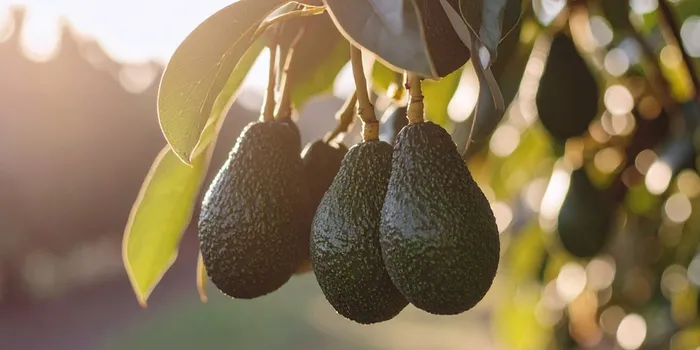
Timber companies in cameroon A young entrepreneur can make as much as Ksh1,428,000 from an acre of avocado trees in the sector often referred to as one of Kenya’s green golds. According to avocado farmer and agripreneur Elijah Sawe, a well-managed acre can generate significant returns, but success depends on factors such as the variety planted, spacing, water, farm management and timing when selling.
Sawe, the co-founder of Sakifarm in Nakuru, shared insights into the avocado business during this week’s episode of Co-op Bank’s Youth Forums, which focused on Avocado Farming: Understanding the Opportunities. The Youth Forums programme provides financial training and business knowledge for young people, students and entrepreneurs looking to explore different economic opportunities.
Sawe explained that farmers can plant about 100 to 120 avocado trees on an acre depending on the spacing. He recommends proper spacing to allow trees to grow well and make farm management easier. “With 5 by 7 metres, you will do about 119 to 120 trees per acre. If you do 7 by 7 metres, you will do about 100 trees per acre,” Sawe said. He said farmers should also invest in certified grafted seedlings, with seedlings costing about Ksh200 each.
This means a farmer may spend about Ksh20,000 to plant an acre before considering other costs such as water, fertiliser and maintenance. “Avocado is very needy in terms of fertiliser and water,” Sawe said. According to Sawe, a mature tree can produce about 300 fruits, translating to around 60 kilogrammes per tree. With an acre containing about 100 trees, farmers can harvest approximately 6,000 kilogrammes under good conditions. At a market price of about Ksh100 per kilogramme, the harvest can generate around Ksh600,000 before costs. However, Sawe noted that prices fluctuate depending on the season and market demand. He explained that farmers can earn different prices throughout the year, with prices around Ksh80 per kilogramme between February and May.
By August, prices can rise to about Ksh100 per kilogramme, while prices in September can move above Ksh120 per kilogramme. Between September and January, Sawe said farmers can fetch about Ksh150 per kilogramme, with prices reaching up to Ksh200 during favourable market periods. “Unit into saccos to get better bargaining power,” Sawe advised farmers, saying collective marketing can help growers negotiate better deals.
Beyond production, Sawe said young people should understand that avocado farming is part of a wider value chain involving nurseries, aggregation, processing, packaging, transport and exports. “For sure, there is money in the avocado business.
There is opportunity in avocados. My advice is don’t remain in a silo. Share information and seek information,” Sawe said. Elijah Sawe, co-founder of Sakifarm in Nakuru and an agripreneur, during a past event. Photo
Sawe Foundation